Luxury International Airport Lounge Resorts USA: Ultimate Guide
Managing the spatial friction, federal security perimeters, and dynamic access-tier provisioning governing hyper-exclusive transit real estate within North American commercial hubs requires rigorous infrastructural insight. Traditional travel media frequently mischaracterizes elite aviation hospitality nodes—often loosely termed airline clubs or co-branded card sanctuaries—as simple buffet spreads or quiet waiting rooms. However, premier global transit sanctuaries, ultra-tier alliance flagships, private-access check-in suites, and secure-side micro-resorts operate under intense spatial, regulatory, and financial pressures. Furthermore, Federal Aviation Administration airspace rules, Transportation Security Administration access requirements, and multi-million-dollar capital lease agreements dictate whether an elite terminal enclave operates smoothly or collapses under chronic overcrowding.
Achieving long-term commercial resilience and guest satisfaction across high-volume transit hospitality facilities requires navigating complex operational trade-offs. Airport authorities and financial portfolio managers must balance the volatility of international passenger banks against heavy maintenance liabilities associated with bespoke architectural finishes and commercial kitchen ventilation. Consequently, these structural choices tie global brand equity directly to precise spatial planning, real-time access-control software, and strict environmental engineering. Moreover, analyzing the structural design and operational mechanics of luxury international airport lounge resorts usa illuminates wider developments in contemporary high-end urban planning, hospitality economics, and intermodal infrastructure development. This analysis explores the core operational workflows required to master premier domestic aviation sanctuary assets across major U.S. transit corridors.
Understanding Luxury International Airport Lounge Resorts USA
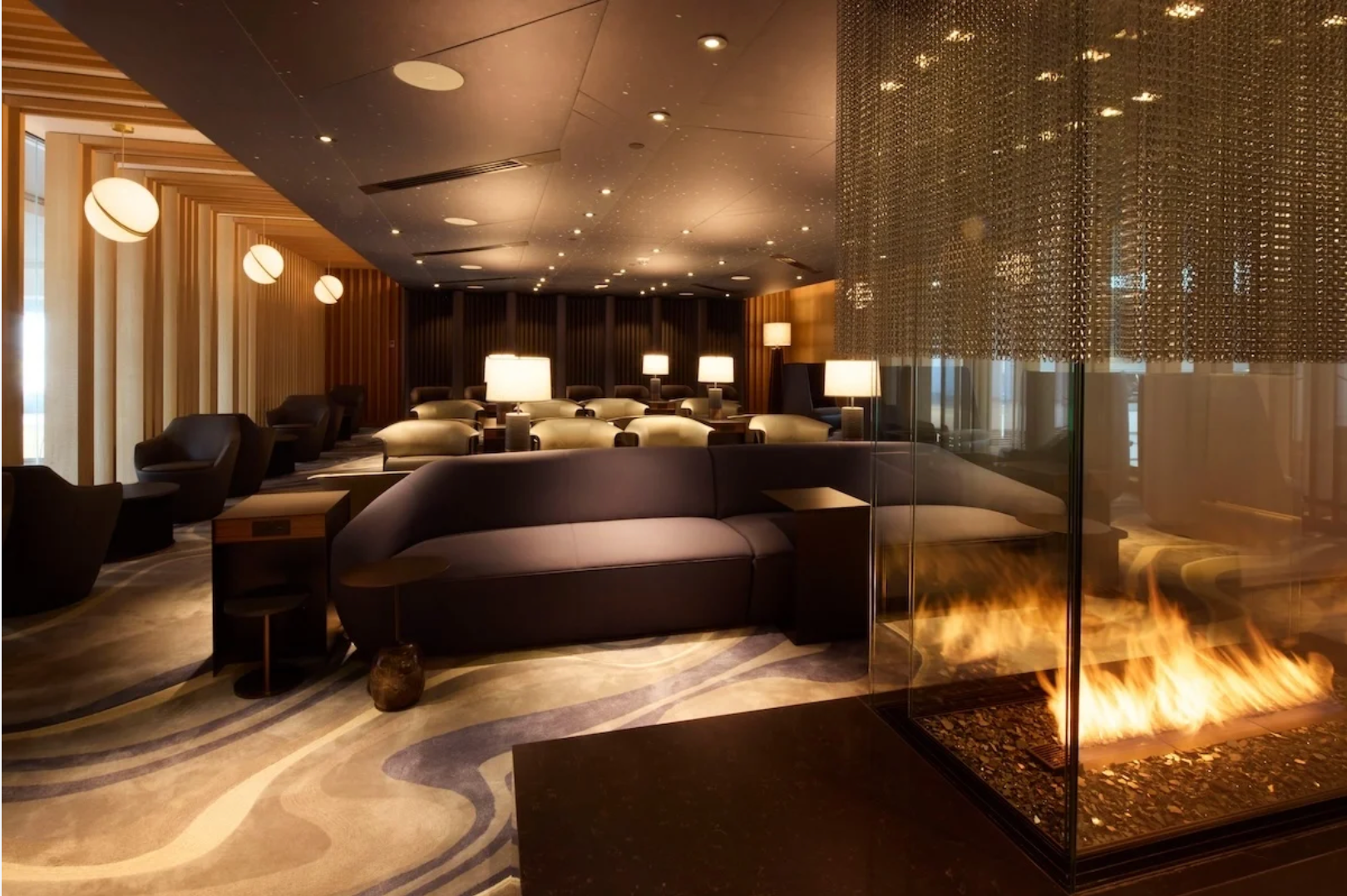
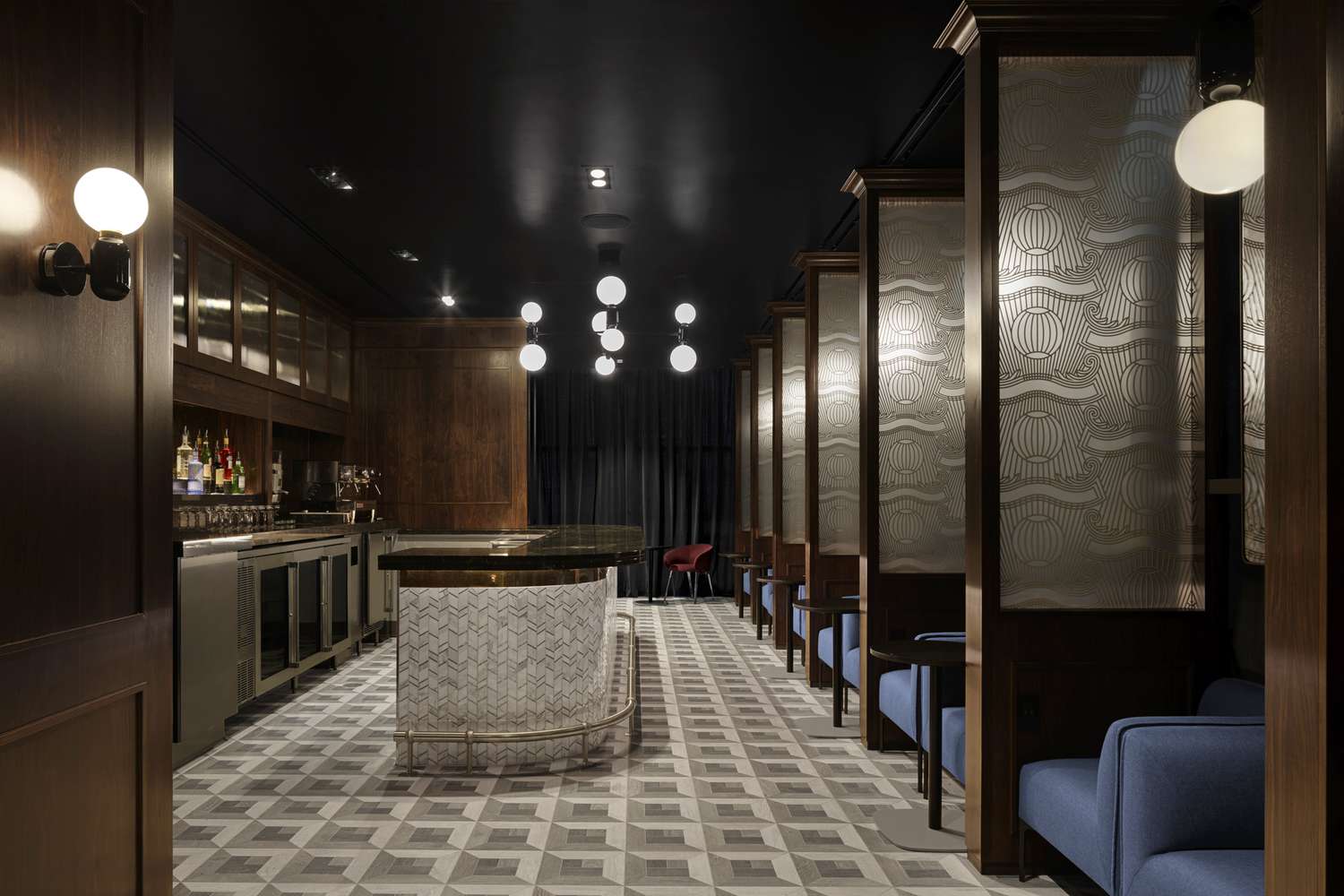
Evaluating specialized high-end aviation hospitality frameworks across North American transport jurisdictions involves complex classification terminology. Observers frequently conflate standard domestic airline club spaces with ultra-tier international terminal sanctuaries governed under strict credit card portfolio metrics and municipal lease ordinances. However, this assumption obscures structural variances in access tiering, culinary service models, spatial zoning, and yield-managed capacity caps. Micro-environments range from multi-level biophilic garden terraces overlooking transcontinental runways to discrete, appointment-only champagne bars sequestered deep within secure international concourses.
Developing or managing an elite terminal sanctuary across a high-traffic U.S. transportation hub requires navigating strict building code limitations, heavy fire-suppression integration requirements, and complex airport authority lease covenants. Perimeter security rules and baggage reconciliation lines add further operational constraints. Conversely, operating a high-end airside resort property involves heavy capital lease obligations, specialized acoustic glazing to block turbine noise, and variable check-in surges tied directly to international departure banks. Therefore, real estate evaluators and airline network strategists must inspect micro-level architectural integration and access control protocols closely.
True expertise in evaluating luxury international airport lounge resorts usa requires balancing quantitative capacity metrics against qualitative guest experience and spatial exclusivity measures. Unlike standard urban boutique hotels relying on predictable street access, top-tier transit resort sanctuaries exist within dynamic, 24-hour operational loops defined by rolling aircraft banks, security clearance velocity, and multi-modal baggage transfers. Experienced asset managers look past daily headcounts or basic customer surveys. Instead, they assess hourly gate-to-lounge transit times, kitchen turnover velocity, air filtration exchange rates, and the actual contractual scope of credit card network partnerships relative to premium cabin yields. Ultimately, failing to master these operational realities leads directly to severe overcrowding, diminished service quality, customer friction, and unrecoverable brand erosion across global alliance networks.
Deep Contextual Background and Historical Evolution
The historical evolution of elite terminal sanctuaries in the United States traces back to the mid-twentieth-century introduction of airline club rooms, originally conceived as private tobacco-and-cocktail parlors for elite corporate travelers during the dawn of the jet age. Post-war commercial aviation expansion and the eventual passage of the Airline Deregulation Act of 1978 reshaped the national transport landscape, prompting legacy carriers to formalize tier-based club networks centered around key international gateways such as New York JFK, Los Angeles LAX, and Chicago O’Hare. During earlier eras, these spaces relied on basic wood-paneled partitions, pre-packaged snacks, and rudimentary analog flight boards, offering minimal environmental separation from the bustling terminal concourse.
Following the turn of the twenty-first century and the subsequent integration of premium credit card partnership ecosystems, airport hospitality underwent a structural shift. Financial institutions and global carriers began recognizing the immense marketing power of pairing high-capacity aviation infrastructure with high-end culinary programs, dedicated cocktail bars, and spa-grade wellness suites. In recent decades, the acceleration of air travel demand and the rise of experiential passenger expectations have driven an unprecedented need for resilient, flexible terminal resort architectures. Today, contemporary operators rely on advanced predictive analytics, dynamic access-control software, and synchronized application programming interfaces to oversee high-volume operations safely across shifting global flight schedules.
Conceptual Frameworks and Operational Mental Models
Successfully administering unconventional high-end transit sanctuaries across major American aviation hubs while mitigating structural hospitality hazards requires deploying rigorous analytical models. These models balance environmental exclusivity and passenger demand volatility against kitchen production capacity and acoustic privacy.
-
The Spatial Capacity-to-Yield Ratio measures the statistical ratio of square footage per eligible cardholder or premium ticket holder against peak international departure banking intervals.
-
The Concourse Friction and Access Matrix evaluates how security screening proximity, elevator bottlenecks, and biometric check-in gates impact guest arrival velocity and facility turnover rates.
-
The Culinary Throughput Gradient analyzes the strategic trade-off between offering complex sit-down à la carte dining versus maintaining high-speed, chef-curated buffet rotations during sudden flight delay cascades.
Key Categories and Variations of Terminal Sanctuaries
The landscape of architectural typologies and service models defining elite terminal hospitality management comprises several distinct structural variations across North American aviation jurisdictions.
| Sanctuary Category | Primary Geographic Focus | Typical Structural & Operational Features | Strategic Trade-off |
| Co-Branded Credit Card Flagships | Major Coastal Conduits (e.g., JFK, SFO, DFW) | Biophilic design elements, local chef partnerships, craft cocktail bars, family rooms | Exceptionally high consumer satisfaction; severe overcrowding and waitlist queues during peak hours |
| Alliance International First Enclaves | Global Gateways (e.g., ORD, LAX, MIA) | Multi-room layouts, fine-dining sit-down spaces, dedicated premium check-in, private escort services | Unmatched luxury for top-tier flyers; highly restricted access limited to select international cabins |
| Boutique Independent Contract Lounges | Secondary International Hubs | Compact footprints, modular seating, self-serve beverage stations, quiet workspace pods | Flexible common-use access; limited culinary options and lower spatial capacity |
| Biophilic Indoor-Outdoor Terraces | West Coast Hubs (e.g., SFO) | Open-air tarmac viewing decks, weather-mitigation fire pits, sustainable architectural planting | Incredible visual ambiance and fresh air; vulnerable to local wind and fog weather events |
| Secure-Side Wellness & Micro-Hotel Pods | Major Connecting Hubs (e.g., DFW, CLT) | Nap suites, shower and vanity pavilions, yoga rooms, specialized circadian lighting | Superior rest and wellness recovery; strict time limits and low overall room inventory |
| Speakeasy Hidden Bar Concepts | Major Eastern Terminals (e.g., LGA, JFK) | Secret architectural entryways, prohibition-era cocktail programs, high-end design accents | High experiential novelty and exclusivity; difficult crowd management and bottle-necking |
| Intermodal Rail-Air Lounge Access Nodes | Northeast Corridor Hubs | Direct transit integration, fast check-in kiosks, digital workspace pods | High multimodal convenience; complex multi-agency coordination requirements |
Detailed Real-World Scenarios and Operational Stress Tests
The Trans-Atlantic Departure Bank Surge
Following an afternoon wave of simultaneous international widebody departures, a premier co-branded credit card flagship at a major East Coast gateway reaches maximum fire-code capacity. Consequently, the lounge management team activates a digital virtual waitlist system, sending SMS updates to waiting guests while diverting eligible walk-ins to partner facilities across the concourse.
The Peak Weather Disruption Kitchen Pivot
During a sudden severe thunderstorm ground stop, an alliance flagship lounge experiences a massive influx of stranded transcontinental passengers. To manage the surge, the executive chef and food-and-beverage director transition operations from a scheduled evening fine-dining menu to high-capacity, high-yield gourmet buffet stations, thereby maintaining rapid service velocity without compromising culinary standards.
The Biophilic Terrace Weather Abatement
A West Coast lounge featuring an open-air tarmac terrace experiences sudden high winds and coastal fog rolling into the airfield. Automated architectural wind sensors quickly trigger motorized glass windbreaks and retractable awnings, while staff safely transition outdoor guests to interior radiant-heated seating zones.
The Private Check-In and Escort Integration
An ultra-exclusive international first-class sanctuary coordinates directly with tarmac operations to receive high-net-worth passengers arriving via private aviation or tarmac transfer vehicles. Security screening is subsequently completed within a private basement vetting suite before guests are whisked via elevator directly into the main dining sanctuary.
Planning, Cost, and Resource Dynamics
The economic viability and capital budgeting of elite terminal resort properties depend heavily on complex partnership revenue sharing, high-end commercial kitchen outlays, and intensive labor models.
-
High-End Architectural Outlays: Constructing custom millwork, imported stone flooring, bespoke lighting fixtures, and integrated acoustic dampening requires substantial upfront capital expenditure per square foot compared to standard airport office spaces.
-
Premium Culinary and Beverage Logistics: Sourcing local farm-to-table ingredients, managing live-action cooking stations, and stocking rare wine and spirits cellars create continuous recurring operational costs.
-
Opportunity Costs: Failing to accurately model credit card network reimbursement rates versus actual operational overhead can turn a high-profile flagship marketing asset into a severe financial liability.
| Cost Dimension | Standard Airline Admirals Club | Mid-Tier Co-Branded Card Lounge | Ultra-Tier International Flagship Resort |
| Fit-Out Capital Expenditure | Moderate carpeting, standard modular seating, basic bar | High design aesthetic, local art, custom cocktail stations | Ultra-luxury finishes, private dining rooms, spa-grade shower suites |
| Food and Beverage Model | Pre-packaged snacks, house-pour wine, basic soup and salad bar | Chef-curated hot buffets, crafted signature cocktails, barista stations | Multi-course à la carte white-tablecloth dining, rare vintage wine reserves |
| Staffing and Service Ratios | Minimal front desk and self-service busser presence | Dedicated bartenders, active hosts, frequent bussing staff | Personal concierges, dedicated servers, on-demand spa and shower attendants |
Tools, Strategies, and Support Systems
Executing successful operational management across elite transit resort portfolios requires integrating advanced digital planning, access control, and environmental monitoring tools.
-
Dynamic Digital Access Management Platforms: Real-time boarding pass scanners integrated with credit card and airline alliance databases verify tier eligibility instantly while managing waitlist queues.
-
Enterprise Kitchen Display Systems (KDS): Digital order routing and inventory tracking software streamline food preparation across multiple satellite bars and buffet stations.
-
Automated Environmental and Acoustic Sensors: Smart IoT sensors monitor air exchange rates, humidity, and ambient noise levels to ensure a calm, resort-like atmosphere despite terminal chaos.
-
Smart Lighting and Circadian Control Systems: Automated LED arrays adjust color temperature dynamically to match natural daylight cycles, supporting traveler wellness across time zones.
-
Secure Digital Payment and Retail Gateways: Encrypted transaction systems process premium wine purchases, spa upgrades, or guest pass fees seamlessly.
-
Integrated Enterprise Asset Management (EAM) Software: Digital maintenance platforms track the operational health of commercial dishwashers, espresso machines, and custom HVAC systems.
Risk Landscape and Failure Modes
Operating high-density luxury transit sanctuaries introduces severe operational vulnerabilities that require comprehensive risk mitigation and emergency planning.
-
Chronic Overcrowding and Waitlist Friction: Surging cardholder populations can overwhelm physical capacities, leading to long entry lines and severe negative customer sentiment.
-
Supply Chain and Culinary Delivery Disruptions: Tarmac access restrictions or airport road closures can delay food and beverage deliveries, threatening daily menu execution.
-
Mechanical and HVAC Failures: A primary air-handling unit breakdown in a sealed, windowless interior lounge can rapidly degrade air quality and force an emergency facility closure.
-
Security and Access Control Breaches: Tailgating through automated turnstiles or fraudulent digital credentials can compromise facility security and lounge exclusivity.
-
Labor and Hospitality Staff Shortages: High staff turnover or unexpected absenteeism can degrade white-glove service standards, impacting guest perception.
Governance, Maintenance, and Long-Term Adaptation
Maintaining elite standards across luxury aviation resort portfolios requires rigorous internal auditing, scheduled deep-cleaning cycles, and disciplined capital reinvestment.
-
Pre-Season Kitchen and HVAC Engineering Audits: Comprehensive inspections of grease traps, commercial refrigeration units, and air filtration scrubbers occur prior to peak travel seasons.
-
Monthly Throughput and Guest Satisfaction Tracking: Detailed analysis of wait times, food waste metrics, and digital satisfaction scores takes place continuously.
-
The Layered Terminal Sanctuary Resilience Checklist:
-
Access Control and Digital Gate Verification: Audit boarding pass scanners and credit card network API connections to ensure rapid, secure entry processing.
-
Air Quality and Filtration Performance Test: Verify HEPA filter integrity and air exchange rates across all high-density seating and dining zones.
-
Emergency Life-Safety and Fire Suppression Review: Test kitchen suppression systems, emergency lighting, and egress routes against municipal codes.
-
Bespoke Finish and Millwork Inspection: Evaluate custom upholstery, stone surfaces, and wood accents for wear and schedule immediate artisan restoration.
-
Measurement, Tracking, and Evaluation
-
Leading Indicators: Short average check-in wait times and high net-promoter scores regarding food quality and staff attentiveness serve as early operational signals.
-
Lagging Indicators: Total monthly maintenance expenditures, cost-per-guest metrics, and year-over-year cardholder retention rates measure overall asset success.
-
Documentation Standards: Maintaining an exhaustive digital archive tracks health department compliance logs, equipment service histories, and architectural renovation audits.
-
Benchmarking Analysis: Regularly comparing lounge utilization velocity and culinary cost ratios against competitive national sanctuaries ensures ongoing market optimization.
Common Misconceptions and Oversimplifications
-
“All airport lounges offer identical food and beverage quality regardless of brand.” True operations evaluated when analyzing luxury international airport lounge resorts usa reveal stark contrasts between basic domestic club snacks and chef-driven à la carte fine dining.
-
“Credit card lounges have completely solved the issue of airport terminal overcrowding.” High demand often creates long entry queues, prompting operators to implement digital waitlists and capacity restrictions.
-
“Lounge design requires no specialized acoustic engineering.” Maintaining a calm, resort-like environment amid a roaring airport terminal demands heavy structural sound dampening and multi-zone white noise systems.
-
“Automated self-service kiosks can entirely replace front-of-house concierge staff.” Elite hospitality requires skilled human personnel to manage guest exceptions, special requests, and high-net-worth service recovery.
-
“Airport lounges rely on airline ticket sales for their primary funding model.” Many premier lounges are sustained through lucrative co-branded credit card interchange agreements and financial institution sponsorships.
-
“Property management software designed for standard office buildings works seamlessly for high-end airport lounges.” Specialized hospitality POS, kitchen display systems, and dynamic queue management platforms are critical for lounge operations.
Ethical, Practical, and Contextual Considerations
The operation of elite terminal resort sanctuaries across the United States carries profound responsibilities regarding guest well-being, accessibility, sustainable sourcing, and labor equity. Furthermore, lounge operators must ensure that spatial layouts provide universal accessibility, quiet wellness zones, and inclusive dining options for diverse passenger demographics. In addition, coordinating environmental sustainability initiatives—such as zero-food-waste programs, compostable materials, and energy-efficient lighting—demonstrates corporate responsibility within high-impact aviation ecosystems.
Conclusion
The architectural design, algorithmic access control, and culinary logistics of premier transit sanctuary properties represent a sophisticated synthesis of modern hospitality and aviation engineering. When operators and airline strategists master the complexities governing luxury international airport lounge resorts usa, structured administrative methodologies achieve true long-term system resilience. Success in this specialized sector requires balancing high-volume passenger throughput and experiential luxury with uncompromising safety compliance and robust data integration. Through patience and editorial rigor, stakeholders can protect critical real estate investments and guarantee enduring service quality across dynamic domestic transportation landscapes.